Low Dose Naltrexone
When Nothing Else Has Worked
LDN is one of medicine's most underutilized therapies — a compounded, low-dose treatment with growing clinical evidence for autoimmune disease, chronic pain, fibromyalgia, and neurological conditions. We've been compounding it longer than most providers have been prescribing it.
Conditions Where LDN Shows
Clinical Promise
LDN is not a first-line therapy — it's what many patients turn to after conventional options have fallen short. The research is still evolving, but the evidence base is growing across a wide range of conditions where immune dysregulation and chronic inflammation play a role.
How LDN Works:
The Immune Rebound Effect
Standard naltrexone (50mg) fully blocks opioid receptors. At low doses — typically 1.5mg to 4.5mg — the mechanism shifts entirely. LDN creates a brief, transient blockade that triggers a rebound response in the body's own endorphin system.
LDN Expertise Built Over
Years of Specialization
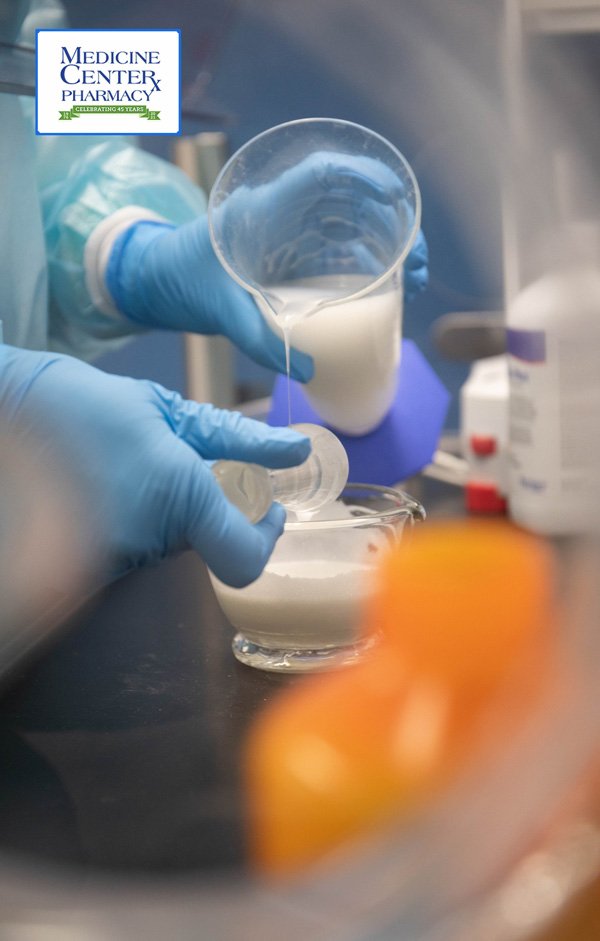
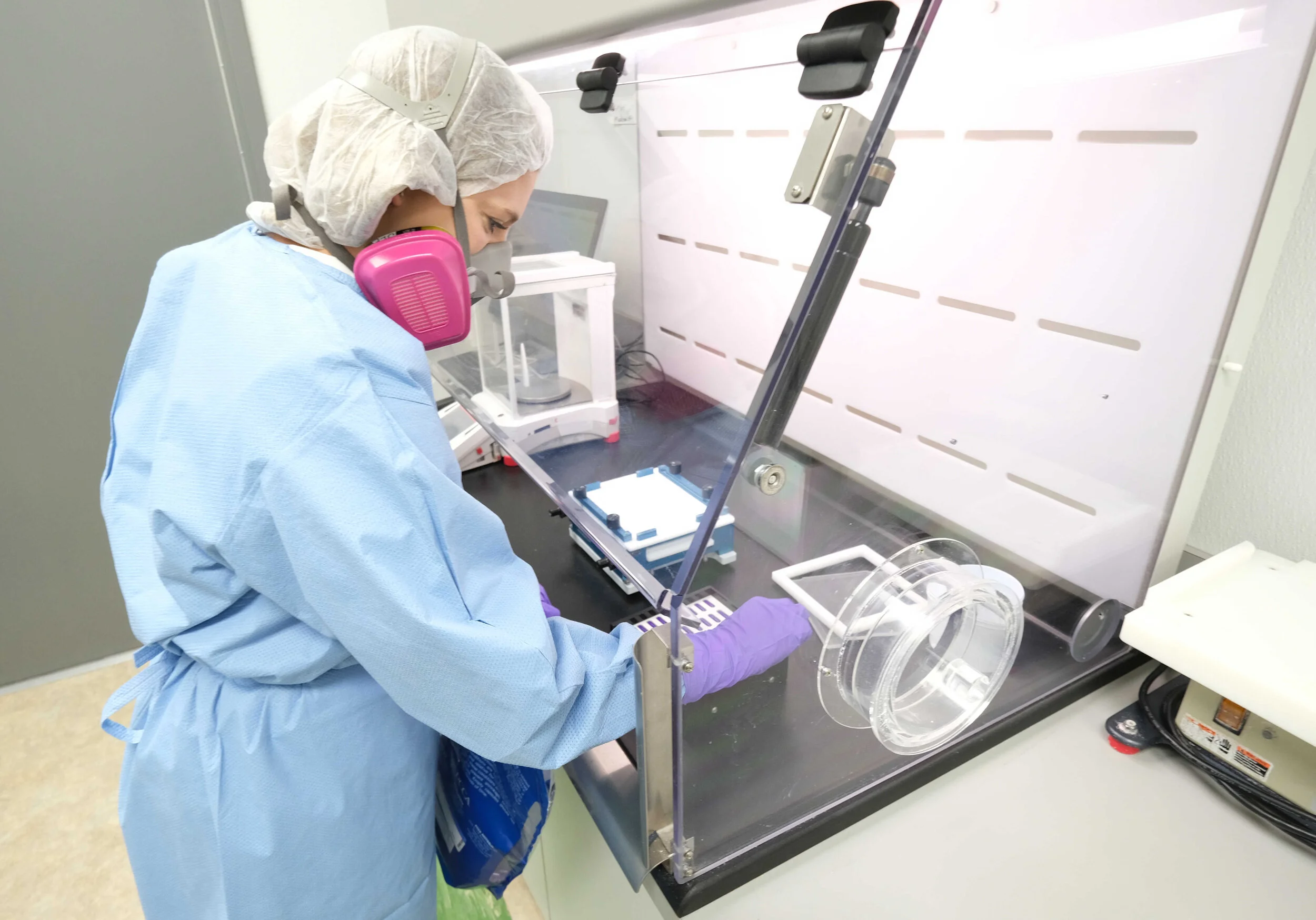
Compounding LDN correctly requires more than a capsule filler. Individualized dosing, the right filler selection, titration knowledge, and prescriber collaboration are what separate a specialty LDN pharmacy from a general one.
Starting LDN Is Straightforward
LDN Questions, Answered
Naltrexone at standard doses (50mg) is FDA-approved for opioid and alcohol use disorder. Low dose naltrexone — doses ranging from 0.5mg to 9mg — is not FDA-approved for any use. It is a compounded, off-label therapy prescribed at a provider's clinical discretion.
Compounded medications are not reviewed by the FDA for safety, efficacy, or quality. A prescription from a licensed healthcare provider is required.
Naltrexone is only commercially available in 50mg tablets. LDN doses are typically 1.5mg to 4.5mg — far below what commercial products provide. A compounding pharmacy precisely formulates LDN in the exact strength prescribed, in a dosage form appropriate for the patient.
We compound LDN as capsules, liquid suspensions, and troches — depending on your prescription and what your provider determines is most appropriate. Capsule fillers can be selected for patients with sensitivities, and dye-free formulations are available.
Many clinical references suggest LDN is most often taken at bedtime, when the body's natural endorphin production is highest — allowing the transient blockade to coincide with peak endorphin activity. However, dosing timing is a clinical decision made by your prescriber, not us. Some patients are prescribed daytime dosing based on tolerability and individual factors.
LDN is generally considered well-tolerated. The most commonly reported side effect during initiation is vivid dreams or mild sleep disruption, which often resolves within the first few weeks. Starting at a low dose and titrating upward — as most clinical references recommend — tends to minimize these effects.
Side effect management and titration decisions should always involve your prescribing provider. Contact us if you have questions between appointments.
No. Naltrexone at any dose blocks opioid receptors and is contraindicated in patients currently using opioid medications. Taking LDN while on opioids can precipitate acute withdrawal. This is an absolute contraindication that your prescriber must evaluate before initiating therapy.
LDN is not a rapid-acting therapy. Clinical references and patient experience suggest that meaningful responses — when they occur — often take 3 to 6 months. Many patients go through a slow titration period before reaching their target dose. Setting realistic expectations at the start is important, and we make this a core part of our patient education process.
Most insurance plans do not cover compounded medications. LDN is typically paid out-of-pocket. However, because LDN doses are very small and naltrexone itself is an inexpensive drug, compounded LDN is generally affordable — often significantly less than many specialty medications. Contact our pharmacy for current pricing.
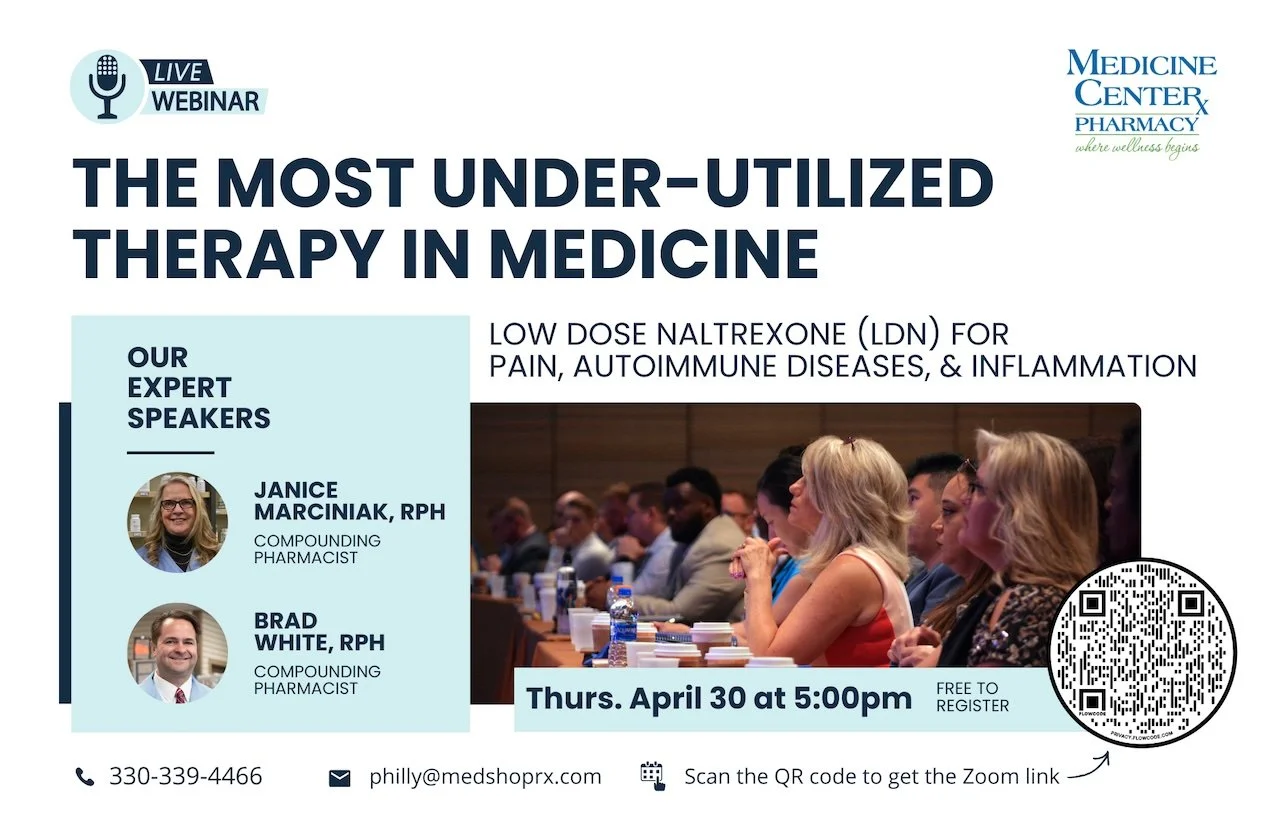
This is common. LDN remains underutilized partly because there's no pharmaceutical manufacturer promoting it — it's an inexpensive generic. We actively work with providers who are new to LDN, offering one-on-one consultations and current clinical reference materials. Ask your provider to call us, or attend one of our free educational webinars and bring what you learn to your next appointment.
LDN Education & Research Resources
Let Us Walk You Through It.




Blogs