Epilepsy is a broad term used to describe people who suffer multiple seizures in their life time. Seizures are defined as sudden, uncontrolled electrical brain activity. Depending on how the brain looks at these electrical currents a person may change behavior, display abnormal movement or even lose consciousness.
Low Dose Naltrexone (LDN) holds the potential to help millions of people suffering from various autoimmune diseases and cancers, and even autism, chronic fatigue, and depression find relief. Administered off-label in small daily doses (0.5 to 4.5 mg), this generic drug is extremely affordable and presents few known side effects. So why has it languished in relative medical obscurity?
The LDN Book explains the drug’s origins, its primary mechanism, and the latest research from practicing physicians and pharmacists as compiled by Linda Elsegood of The LDN Research Trust, the world’s largest LDN charity organization with over 19,000 members worldwide. Featuring ten chapters contributed by medical professionals on LDN’s efficacy and two patient-friendly appendices, The LDN Book is a comprehensive resource for doctors, pharmacists, and patients who want to learn more about how LDN is helping people now, and a clarion call for further research that could help millions more.
Praise for The LDN Book
Dr. Chris Steele, MBE, general practitioner; medical presenter on ITV’s This Morning
“I first came across LDN several years ago when a medical colleague said I should look into its positive effects in patients with MS, Crohn’s disease, and other autoimmune disorders. I was so impressed with what I read that I helped submit a petition to the UK government to ask for funding for further research into this inexpensive drug. But, as with so many petitions, no progress was made. I hope The LDN Book—which presents up-to-date findings that again confirm the efficacy of this safe, cheap, generic drug in helping to control many chronic, disabling conditions—is read by those in the Department of Health and by all doctors caring for patients with autoimmune disease. In the UK, LDN has been stranded in limbo; maybe now the time has come for it to be accepted as a recognized therapy that could, at least, be tried on those suffering such long-term diseases of the immune system.”
New Review The LDN Book - Jacqueline Young
Jackie is the Patron of the LDN Research Trust
“Low Dose Naltrexone (LDN) was discovered by my husband and partner, Dr. Bernard Bihari. Incredibly informative and superbly written by various members of the medical profession sharing their experiences using this extraordinary drug, The LDN Book honors his legacy in helping patients suffering from autoimmune and other diseases to regain their health and their lives.”
The LDN Book review by Dr Thomas Cowan
“As a practicing physician who has used LDN as a cornerstone therapy for over fifteen years, I can say without equivocation that LDN is the most important and successful medicine I have ever used. I often joke that if not for LDN I couldn’t pay my mortgage; I’ve had so many new patients referred to me by someone whose life has improved dramatically through the use of LDN. And despite my knowledge and experience with LDN, I’ve learned a great deal from The LDN Book—aspects of its basic science I hadn’t known, new uses, and how its uses can inform us about the causes of various diseases. This is a wonderful book for any patient with an autoimmune disease, cancer, depression, or a host of other conditions and is a must-read for any physician whose goal is to help their patients.”
— Dr. Thomas Cowan, author of The Fourfold Path to Healing and co-author of The Nourishing Traditions Book of Baby & Child Care
As of 2015 about 3.4 million people suffer from epilepsy.1 Most people with epilepsy take one or more medications to prevent seizure activity. However, an estimated 30% of people worldwide do not respond to current FDA approved medications.2 With the rise in popularity of medical marijuana for treatment of epilepsy, scientists have begun to look at opioids again for new uses. Ultra-low doses of naltrexone along with morphine or cannabis are being studied.
What is low and ultra-low dose naltrexone?
Naltrexone is currently FDA approved as treatment for opioid and alcohol abuse. Available in pill or as an injection, treatment for opioid and alcohol abuse uses doses from 50mg to 380mg. Low dose naltrexone broadly refers to dosages below the 50mg mark for opioid and alcohol abuse treatment.3 specifically 0.5mg to 10mg is the studied range when talking about low dose naltrexone.
Ultra-low dose refers to even smaller doses ranging from 1/1000000000 of a milligram to 1/1000000 of a milligram. To picture how small ultra-low dose naltrexone is think of opioid treatment doses as a swimming pool. Low doses are a couple of buckets. Ultra-low doses would be drops.
There is no recommended dose of naltrexone for epilepsy or seizures in humans. The ultra-low doses have only been studied in mice as add-on to opioids and cannabis products. These doses were administered in injection form.
How does low dose naltrexone work to prevent seizures?
Ultra-low doses of naltrexone alone do not stop or prevent seizures. Morphine and cannabis like products work to raise the amount of electrical activity in the brain needed to cause a seizure. The exact way ultra-low doses of naltrexone works with opioids and cannabis in epilepsy is unknown. Scientists think ultra-low naltrexone works either to increase the effects of the morphine and cannabis or helps to decrease tolerance.4-6
What are the studies saying about ultra-low dose naltrexone for epilepsy?
Trials in mice using ultra-low dose naltrexone have been promising. Data favors further study of ultra-low dose naltrexone with either opioids or cannabis like products. However, no data yet suggests any safety for trials in humans. Further animal study is needed to evaluate long term use. Current trials in mice only looked at one seizure per mouse.4-6
What are the risks of using low dose naltrexone for seizure control?
As stated in the above section, current trial data is only for mice after one incident. The effects of treatment long term have not been evaluated. Seizure activity may develop again after time on the medications. Doses tested in mice may not work in humans.
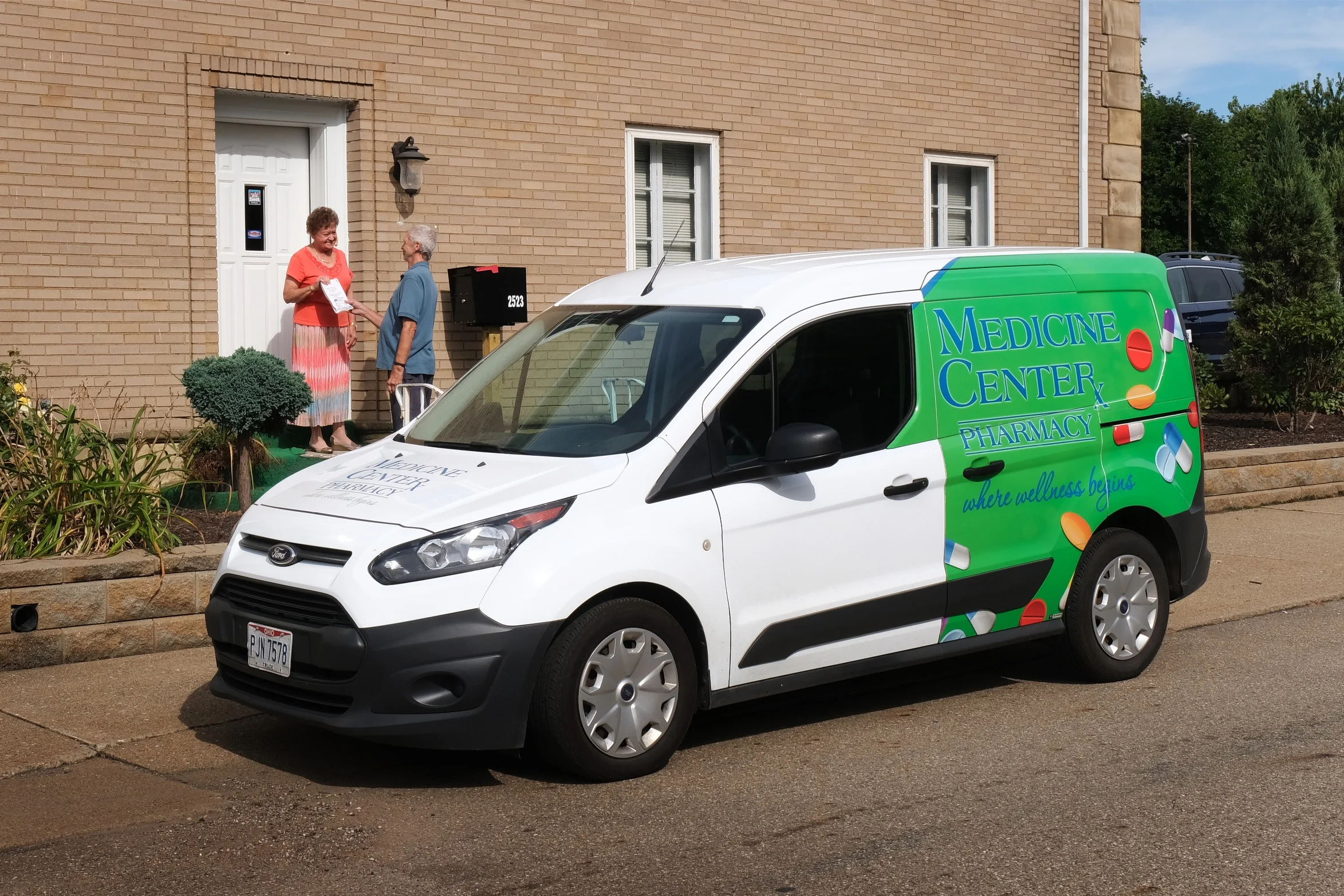
The Medicine Center Pharmacy in New Philadelphia specializes in custom compounded medications in custom dosage forms. The pharmacists are trained experts in low dose naltrexone therapy. LDN therapies can be customized across 23 different dosage forms for 15 different disease state protocols. If you would like to learn more about low dose naltrexone or would like to schedule a phone call or video conference please contact us.
Resources
1. CDC [Internet]. Epilepsy Fast Facts. Center for disease control: Atlanta (GA); last updated 18 July 2018, accessed 18 April 2020. Available from: https://www.cdc.gov/epilepsy/about/fast-facts.htm
2. Wahab A. Difficulties in Treatment and Management of Epilepsy and Challenges in New Drug Development. Pharmaceuticals (Basel). 2010 Jul; 3(7): 2090–2110.Published online 2010 Jul 5. Accessed April 2020.
3. SAMHSA. Naltrexone. Substance Abuse and Mental Health Services Administration. Last updated September 2019, accessed April 2020. Available from: https://www.samhsa.gov/medication-assisted-treatment/treatment/naltrexone
4. Honar H, Riazi K, Homayoun H, Sadeghipour H, Rashidi N, Ebrahimkhani MR, et al. Ultra-low dose naltrexone potentiates the anticonvulsant effect of low dose morphine on clonic seizures. Neuroscience. 2004;129(3):733-42.
5. Bahremand A, Shafaroodi H, Ghasemi M, Nasrabady SE, Gholizadeh S, and Dehpour AR. The cannabinoid anticonvulsant effect on pentylenetetrazole-induced seizure is potentiated by ultra-low dose naltrexone in mice. Epilepsy Res. 2008 Sep;81(1):44-51.
6. Roshanpour M, Ghasemi M, Riazi K, Rafiei-Tabatabaei N, Ghahremani MH, and Dehpour AR. Tolerance to the anticonvulsant effect of morphine in mice: blockage by ultra-low dose naltrexone. Epilepsy Res. 2009 Feb;83(2-3):261-4.