
Health Matters Radio: Decrease Your Risk for Cervical Cancer by 60%
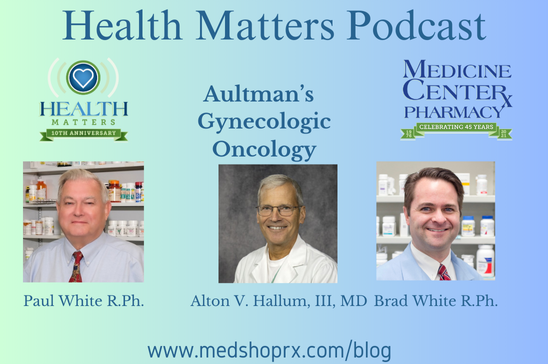
This week’s Health Matters radio show and podcast features an important and timely conversation focused on Gynecologic Oncology at Aultman, highlighting advances in care, patient advocacy, and the multidisciplinary support available to women facing complex cancer diagnoses.
Broadcast live on WHBC Radio, this episode brings together clinical expertise and real-world insight to help patients, families, and caregivers better understand gynecologic cancers and the care pathways available locally.
Episode Highlights
In this episode, listeners will learn more about:
What Gynecologic Oncology Is
Understanding cancers of the ovaries, uterus, cervix, vulva, and related reproductive organs.
Early Detection & Diagnosis
Why awareness, screening, and timely referral matter.
Comprehensive, Team-Based Care at Aultman
How surgical oncology, medical oncology, radiation therapy, and supportive services work together.
Personalized Treatment Planning
Tailoring care based on diagnosis, stage, and patient goals.
Support Beyond Treatment
Addressing survivorship, quality of life, and ongoing patient support.
This discussion reinforces Aultman’s commitment to patient-centered, evidence-based cancer care close to home.
Watch & Listen
YouTube (Video Recording):
Podcast Audio:
Why This Conversation Matters
Gynecologic cancers are often misunderstood and under-discussed. Open conversations like this empower women to:
Recognize symptoms earlier
Advocate for appropriate specialty care
Feel supported throughout diagnosis and treatment
Education is a powerful first step toward better outcomes.
Thanks for listening today! We’d like to remind our listeners, if you suspect you have a medical issue, please contact your healthcare provider. Thanks to our sponsor Aultman Health System. As always, we thank our listeners for joining us on Health Matters with the Medicine Center Pharmacy. Have a healthy week and we’ll see you again next Friday right here on News Talk 1480 WHBC.

Crave Control supports the synthesis of the brain reward neurotransmitters (like serotonin and catecholamines) and through its effect on the natural opioids will, by virtue of inhibiting GABA, cause a significant release of dopamine at the nucleus accumbens. This constant release of possibly therapeutic amounts of dopamine, leads to proliferation of D2 receptors, thereby promoting appetite suppression and reducing overall craving in general.