
Colorectal Cancer Screening: Why Early Detection Can Save Your Life
March is Colorectal Cancer Awareness Month, a national effort focused on increasing screening rates and educating patients about prevention and early detection.
On a recent episode of the Health Matters Radio Show and Podcast, pharmacists Paul White and Brad White of Medicine Center Pharmacy spoke with Dr. Marta Lavery of Aultman General Surgery about colorectal cancer risk, screening options, and why early detection is so important.
Colorectal cancer is currently the third-leading cause of cancer-related deaths in the United States, yet it is also one of the most preventable and treatable cancers when detected early.
Understanding your screening options and knowing the warning signs can make a life-saving difference.
What Is Colorectal Cancer?
Colorectal cancer refers to cancer that develops in the colon or rectum, which are parts of the large intestine.
Most colorectal cancers begin as small growths called polyps that form on the inner lining of the colon. Over time, some polyps can develop into cancer.
Important facts about colorectal cancer
Often develops slowly over several years
Typically begins as non-cancerous polyps
Early detection allows doctors to remove polyps before cancer forms
This is why routine screening is the most powerful prevention tool available.
When Should You Start Colonoscopy Screening?
Recent medical guidelines have lowered the recommended age for screening.
Current colorectal cancer screening recommendations
Begin screening at age 45 for average-risk adults
Earlier screening may be recommended for high-risk individuals
The screening age was lowered because physicians have observed an increase in colorectal cancer among younger adults.
People at higher risk include those with:
Family history of colon or rectal cancer
Personal history of colon polyps
Inflammatory bowel diseases such as Crohn’s disease or ulcerative colitis
Certain inherited genetic conditions
If you have any of these risk factors, your doctor may recommend earlier or more frequent screenings.
Colonoscopy vs. Stool-Based Screening Tests
Patients today have several screening options available.
Colonoscopy
A colonoscopy allows physicians to examine the entire colon using a flexible camera.
Benefits include:
Direct visualization of the colon
Detection of abnormal tissue
Immediate removal of polyps during the procedure
Because it can both detect and prevent cancer, colonoscopy is considered the gold standard for colorectal cancer screening.
Stool-Based Tests (such as Cologuard)
Stool-based tests check for blood or abnormal DNA markers that may indicate cancer.
Advantages:
Non-invasive
Can be done at home
Limitations:
A positive result requires follow-up colonoscopy
Less sensitive for detecting certain types of polyps
Your physician can help determine which screening option is best for you.
Common Symptoms of Colorectal Cancer
Many people with colorectal cancer have no symptoms in the early stages, which is why screening is so important.
However, symptoms that should never be ignored include:
Rectal bleeding
Blood in the stool
Persistent abdominal pain
Changes in bowel habits
Unexplained weight loss
Iron deficiency anemia
These symptoms do not always mean cancer, but they should be evaluated promptly by a healthcare professional.
Lifestyle Factors That Influence Colon Cancer Risk
Some risk factors cannot be changed, but several modifiable lifestyle habits may reduce your risk.
Steps that may help prevent colorectal cancer
Eat a high-fiber diet rich in fruits and vegetables
Limit processed and red meats
Maintain a healthy body weight
Exercise regularly
Avoid smoking
Limit alcohol consumption
Small lifestyle improvements can make a significant difference in long-term colon health.
How Colorectal Cancer Is Treated
Treatment depends on the stage of the cancer and its location in the colon or rectum.
Common treatments include:
Surgery
Chemotherapy
Radiation therapy
Targeted therapy
Advances in minimally invasive surgical techniques have improved recovery times and patient outcomes.
In some cases, surgery may require a temporary or permanent colostomy, depending on the location and extent of the tumor.
Life After Treatment: Follow-Up and Surveillance
Patients who have been treated for colorectal cancer often need ongoing monitoring to ensure the cancer does not return.
Follow-up care may include:
Repeat colonoscopies
Blood tests
Imaging studies
These follow-up visits allow physicians to detect recurrence early and maintain long-term health.
When Should Colonoscopy Screening Stop?
There is no single answer for when colonoscopy screening should stop.
Doctors typically consider:
Patient age
Overall health
Prior screening results
Life expectancy
Screening decisions should always be personalized based on a conversation with your physician.
Colorectal Cancer Screening in Stark County
If you are 45 or older, or have symptoms or risk factors, now is the time to speak with your healthcare provider about screening.
Patients in Canton and Stark County can contact Aultman General Surgery to schedule a consultation and learn more about screening options.
Early detection can prevent cancer before it starts.
Listen to the Full Health Matters Podcast
This topic was discussed on the Health Matters Radio Show and Podcast, hosted by pharmacists Paul White and Brad White of Medicine Center Pharmacy.
You can listen to the full episode and many others through your favorite podcast app.
Thanks for listening today! We’d like to remind our listeners, if you suspect you have a medical issue, please contact your healthcare provider. Thanks to our sponsor Aultman Health System. As always, we thank our listeners for joining us on Health Matters with the Medicine Center Pharmacy. Have a healthy week and we’ll see you again next Friday right here on News Talk 1480 WHBC.
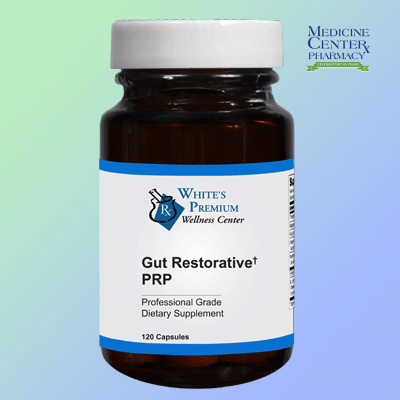

Saccharomyces Boulardii is a natural, non-pathogenic yeast that has been shown to maintain and restore the healthy ecology of the small and large intestines.